


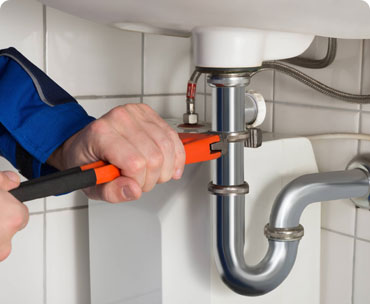
It depends on whether you touch the plumbing, the wiring, or the walls. Swap a vanity and repaint, and you’re fine. Move a drain, replace a shower pan, or add a circuit, and you need a permit.
The line between those two gets blurry fast, which is why homeowners get three different answers from three different contractors. Here is what the code actually says, and how the three South Florida counties handle it differently.
The rule everything hangs on
Florida Building Code Section 105.1 requires a permit for work on any plumbing, electrical, or mechanical system. Section 105.2.2 carves out an exception for ordinary minor repairs, left to the discretion of the building official.
So the real question is never “is this a remodel.” It is “am I altering a system.” Cosmetic work leaves the systems alone. Anything that opens a pipe or a wall does not.
Work that usually does not need a permit
- Painting, new mirrors, and light fixtures installed on existing boxes
- Replacing cabinets and countertops
- Swapping a toilet, sink, or bathtub for a new one in the same spot, with no change to supply or drain piping
- New faucets and trim
- Replacing floor or wall tile outside a shower assembly
Work that does need a permit
- Moving a toilet, sink, tub, or shower to a new location
- Replacing a shower pan
- Adding or relocating circuits, outlets, or an exhaust fan
- Altering duct or exhaust runs
- Removing or relocating a wall
- Adding a bathroom where none existed
“Do I need a permit to replace a shower?”
This question comes up more than any other, and the answer catches people off guard. Usually yes.
Replacing a tub with another tub is typically a fixture swap. Replacing a shower almost always means replacing the shower pan, and the pan is part of both the drain assembly and the waterproofing. Building departments treat that as plumbing work rather than a repair. Tub-to-shower conversions fall in the same category, and they are one of the most common projects we handle.
If a bidder tells you a shower replacement needs no permit, take that as information about how they operate.
Miami-Dade County
Miami-Dade sits in the High Velocity Hurricane Zone, which along with Broward makes it the strictest building jurisdiction in Florida. Interior bathroom work does not trigger wind-load requirements, but the HVHZ culture shows up in how closely plans get reviewed.
Most incorporated cities run their own building department. Miami, Miami Beach, Hialeah, and Coral Gables each have separate fee schedules and separate portals. Unincorporated areas go through the county.
Plan on roughly two weeks for a straightforward residential permit, longer if plan review comes back with corrections. On fees, the City of Miami sets a $110 minimum on any building permit, with small residential jobs under $2,500 in construction value at a flat $45. A full bathroom package, once trade permits and the state surcharge are added, generally lands between $200 and $650.
Broward County
Broward is also HVHZ, with local amendments enforced by the Broward County Board of Rules and Appeals. The difference you will actually notice is paperwork. Broward uses a uniform building permit application that must be notarized, so budget a stop at a notary before anything gets submitted.
As in Miami-Dade, most cities issue their own permits. Fort Lauderdale, Hollywood, Pembroke Pines, and Coral Springs all run their own departments, while the county handles unincorporated areas and a few contract cities.
Timelines are similar, around two weeks for residential alterations, with fees usually between $150 and $600. The wildcard in Broward is age. Across much of Hollywood and east Fort Lauderdale, opening a wall reveals cast iron drain line at the end of its life, and replacing it expands the permit scope. Anyone comparing bids for bathroom remodeling in Hollywood, FL should ask how each contractor handles that before signing anything.
Palm Beach County
Palm Beach sits outside the HVHZ, so the code baseline is somewhat less restrictive. The friction here comes from a different direction: associations.
In Boca Raton, Delray Beach, Boynton Beach, and gated communities countywide, architectural review approval often has to clear before the permit application is even filed. That approval can take two to six weeks and runs on the board’s meeting calendar rather than yours. Permit fees themselves are broadly comparable to Broward.
Submit the HOA package and the permit application as early as you can, and let them run in parallel.
What skipping the permit actually costs
Most jurisdictions charge a double fee once they find unpermitted work, meaning the original permit cost plus a 100 percent penalty. You may also be required to have the work certified by a licensed engineer, or to open finished walls back up for inspection.
Then there is resale. Buyers’ attorneys pull permit history, and a missing or open permit can stall a closing. Insurance is the quieter risk. If a shower pan fails in two years and the adjuster finds no permit on file, the claim conversation gets complicated.
Who is allowed to pull it
A licensed contractor, or the homeowner under the owner-builder exemption in Florida Statute 489.103. That exemption requires a notarized affidavit and shifts full liability onto you, including responsibility for injuries on the job.
Watch for the pattern the statute specifically warns about: an unlicensed handyman who asks the homeowner to pull the permit in their own name. That arrangement exists to move risk off the person doing the work and onto you.
Doing it right the first time
We pull permits on every job that needs one under license CGC-1533489, and we handle submission, corrections, and inspection scheduling as part of the project. If you are still budgeting, our breakdown of bathroom remodel costs in Miami, Fort Lauderdale, and Boca Raton lists permit fees as their own line item.
To talk through what your scope will require, see our South Florida bathroom remodeling services or call D&S Contractors Group at 954-743-9707.


